Español
 Русский
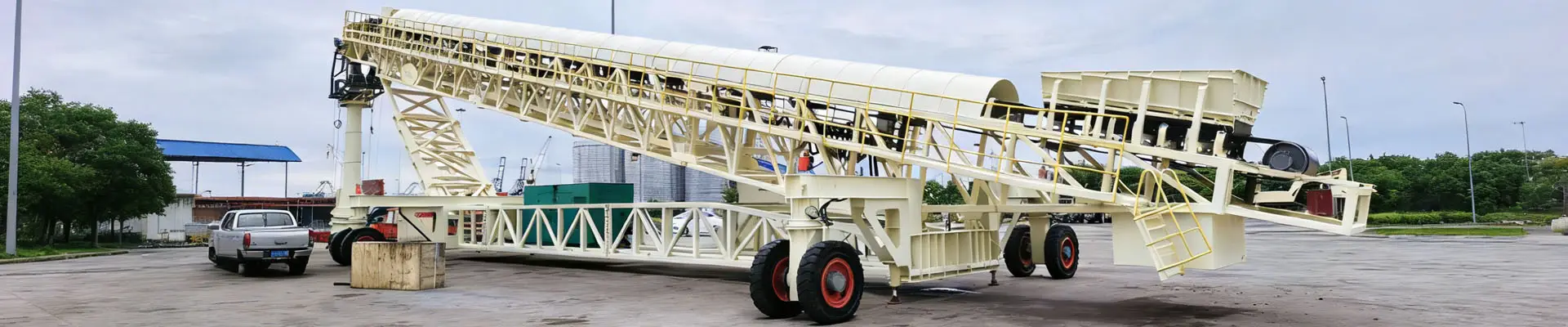
Conveyor belt
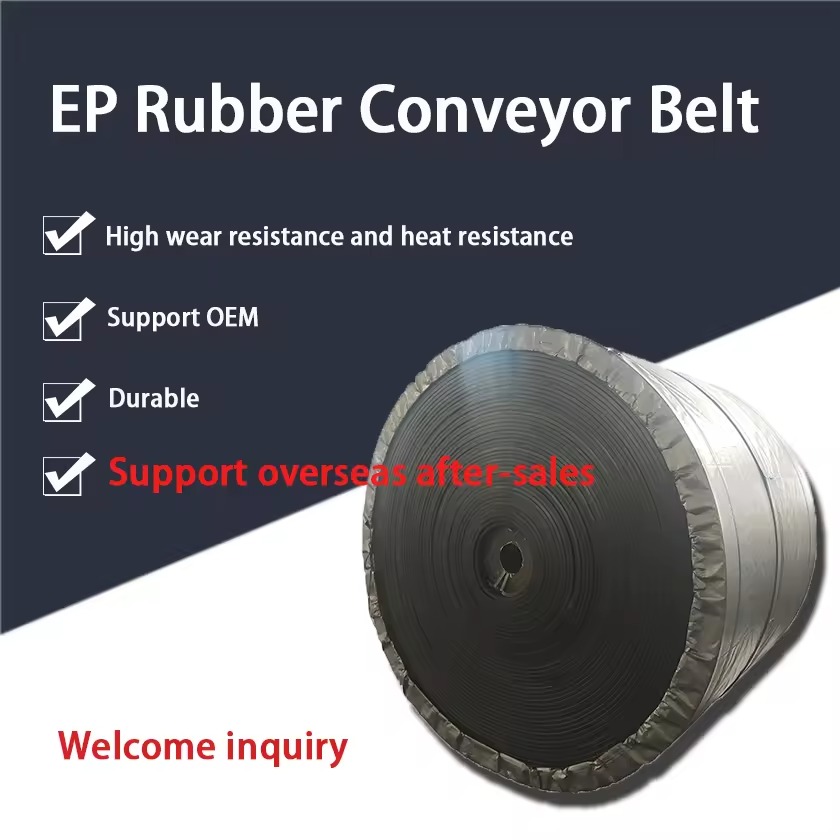
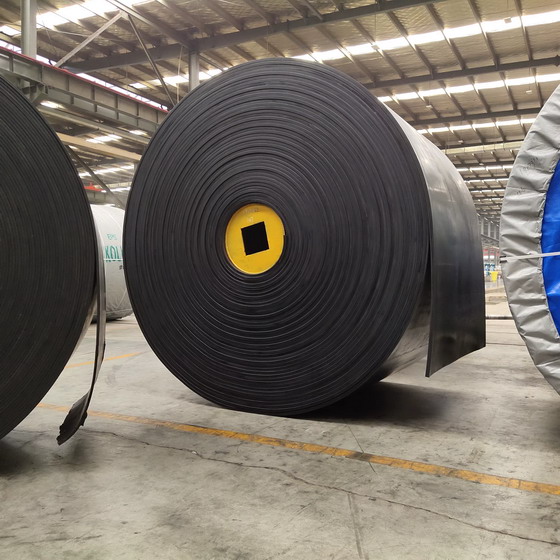
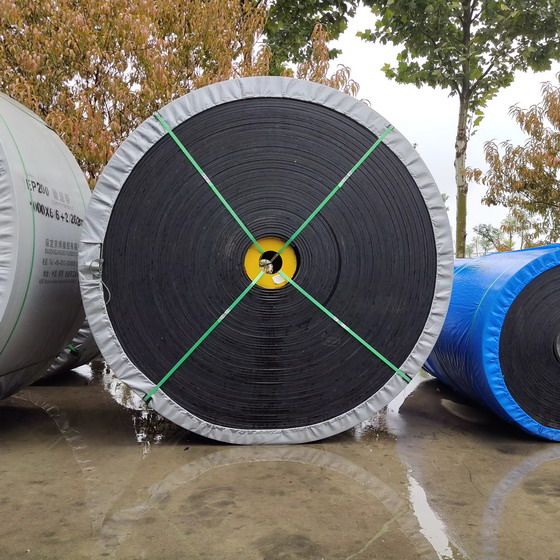
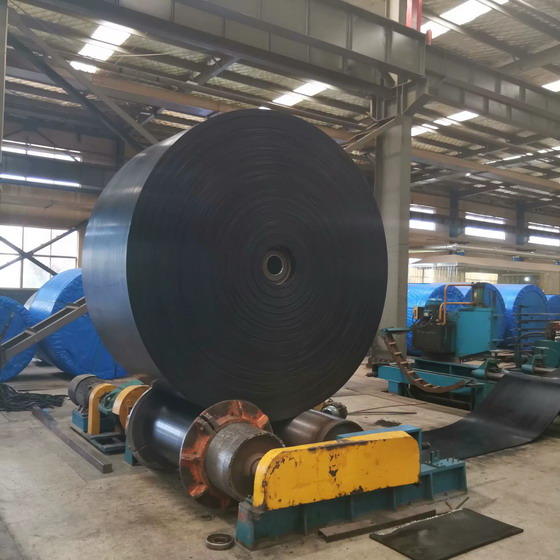
Conveyor belt-ST belt/ EP belt /EE belt
The company produces high-quality stable conveyor belts, and the product performance meets the requirements of DIN, RMA, AS, JIS, BS and so on.Can be developed and produced according to customer requirements.
The products are widely used in iron and steel, mining, coal, cement, electric power, port and chemical industries.
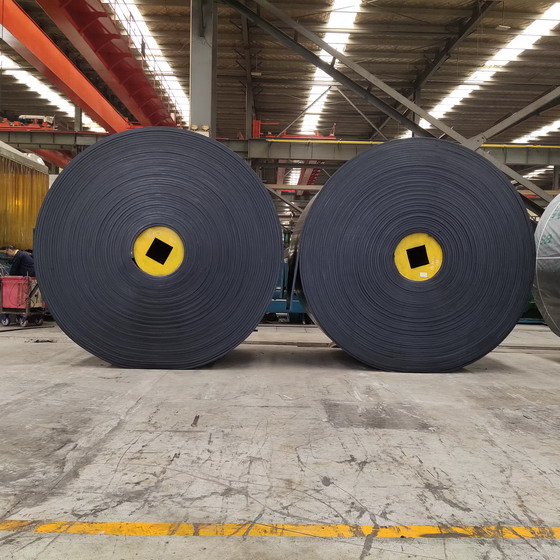
Steel mesh cross-stabilized conveyor belts are widely used in high strength, long distance and heavy load transportation of material, and they are also used in high strength and short distance transportation of materials on special occasions.
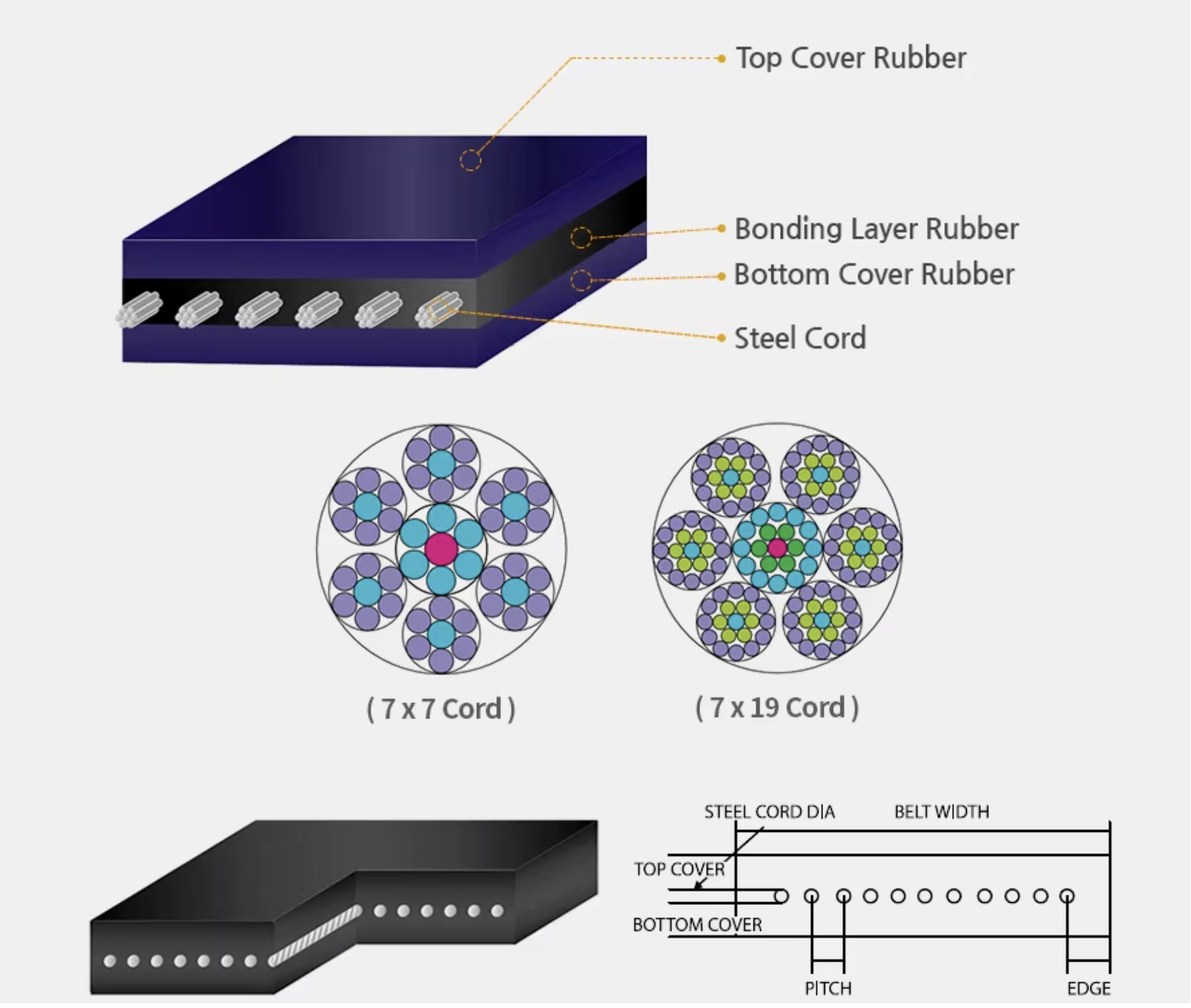
High tensile strength: Cross Stabilized Base Belt are suitable for large span, long distance transportation of materials.
Low elongation in use: CROSS RIGID CONVEYOR BELT only need a very short take-up stroke distance.
Superior adhesion: Due to the excellent penetration of rubber between the individual cord filaments.
Even tension of steel cords: Out of our advance techniques in manufacturing, the steel cords are evenly arranged and carry equal tension during the manufacturing process.
Good trough-ability: As the belts body has no transverse reinforcement, it is easy to form a deep trough, so the belts can load more materials and prevent the materials from escaping.
Steel Cord Conveyor Belt Features:
1. Suitable for long distance and heavy load transportation
2. The belts need only a very short take-up stroke distance.
3. High adhesion between rubber and steel cord, stainless steel wire conveyor belt.
4. Rubber with good adhesion rope: the surface of galvanized steel wire rope, while the use of wire rope has excellent adhesion with the rubber, bonded together with rope, impact resistance, easy off blocks, long service life.
5. Rope tension is even: As advanced manufacturing technology, arranged in uniform rope tension, running balance, easy to deviation.
6. Out of our advanced techniques in manufacturing, the steel cords are very evenly arranged and have the same tension, so the steel wire belt are well balanced in running and difficult to run away.
I. Core Parameters of the Conveyor Belt
1.Belt Type
Fabric core (NN/EP): Generally applicable for conveyors ≤6km
Steel cord core (ST): Preferred for 4km long-distance conveyors with high strength and low elongation
2.Belt Strength Grade
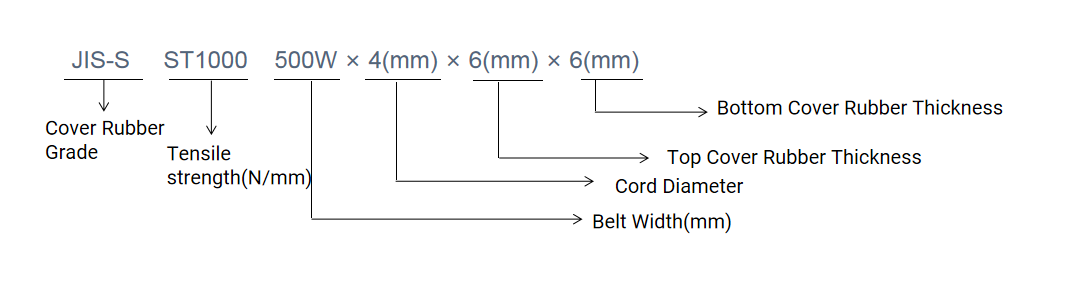
Steel cord core: ST1600 / ST2000 / ST2500 / ST3150, etc. (Must be calculated by the manufacturer based on tension)
Fabric core: EP200, EP300, EP400 (Not recommended for long-distance generally)
3.Belt Width (B)
Example: B=800mm, 1000mm, 1200mm, 1400mm, 1600mm
4.Total Belt Length
Including: Head section + Tail section + Middle section + Tension stroke + Splicing allowance
Normally ≥8000m (round trip) for a 4km conveyor system
5.Belt Thickness (Top cover + Bottom cover + Core layer)
Top cover: 6–10mm (Thicker for high-impact materials)
Bottom cover: 3–6mm
6.Implementation Standards
GB/T 9770 (Steel cord conveyor belts)
GB/T 7984 (Fabric core conveyor belts)
II. Working Conditions & Application Requirements
1.Conveyed Material
Name, particle size, bulk density, temperature, abrasiveness (e.g., ore/coal/grain)
2.Capacity: t/h
3.Belt Speed: m/s
Commonly used: 2.0 / 2.5 / 3.15 / 4.0 m/s
4.Conveyor Inclination
Horizontal / uphill / downhill / maximum inclination
5.Environmental Conditions
Indoor/outdoor, temperature range, oil-resistant, acid-alkali resistant, flame-retardant, cold-resistant
6.Special Requirements
Flame retardant (MT standard)
Cold resistance (-20℃, -40℃)
Oil resistance, acid and alkali resistance, heat resistance
III. Key Special Requirements for Long-Distance Conveyors
1.Splice Efficiency
Steel cord belt: ≥90%
2.Elastic Elongation
Must be low for long-distance systems to avoid insufficient tension travel
3.Transverse rigidity and anti-deviation performance
4.Anti-tear structure (Optional but highly recommended)
Built-in steel cord anti-tear
Transverse anti-tear net
5.Optional functions
Conductivity
Oil resistance
Food-grade (for grain, etc.)
IV. Information Required from Manufacturer Before Quotation
1.Tension calculation report (4km conveyor requires point-by-point tension calculation)
2.Basis for belt strength selection
3.Splicing method and splice length
4.Service life commitment & warranty period
5.Belt weight (for calculating motor power, pulleys, frame)
V. Purchasing Parameter Template
1. Belt type: Steel cord conveyor belt
2. Strength grade: STXXXX
3. Belt width: ____ mm
4. Total length: ____ m
5. Top cover thickness: ____ mm
6. Bottom cover thickness: ____ mm
7. Conveyed material: ____
8. Capacity: ____ t/h
9. Belt speed: ____ m/s
10. Environment: Indoor / Outdoor, Temperature ____℃
11. Special requirements: Flame retardant / Cold resistant / Anti-tear / Acid-alkali resistant
Q: What is Customer first?
They are moments that allow us to exceed expectations and differentiate from our competition.
Q: Can you ship the mobile conveyor by containers?
Q: Can you do customized designing?
Product Inquiry